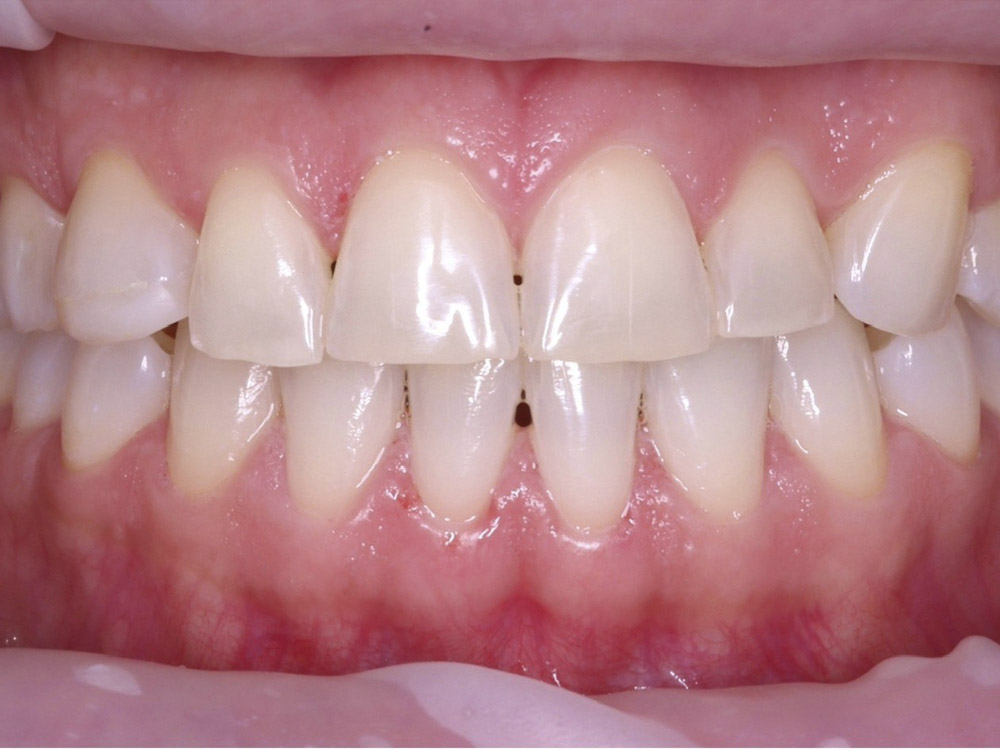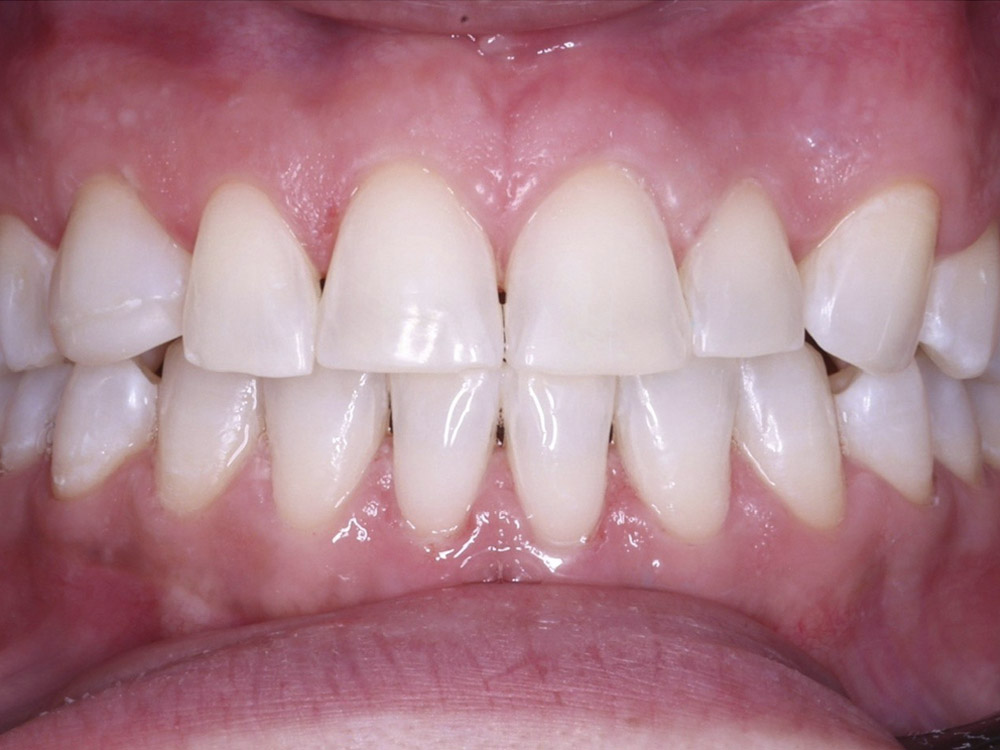

Unfortunately, not everyone has perfect teeth. This is often due to delayed visits to the dentist, which can lead to complications from cavities and even tooth extraction.
If there is a defect in the dental arch, it is essential to consult a dentist. "Vivadent" dental clinic offers patients with dental defects modern removable and non-removable prosthetics using various orthopedic constructions.
Tooth prosthetics are divided into two groups:
• Non-removable prosthetics
• Removable prosthetics
Non-removable prosthetics
Non-removable prosthetics are the most widely used in dental practice. These prosthetics are called non-removable because they do not need to be taken out and cared for separately. You can use non-removable dental prosthetics for decades and forget they even exist.
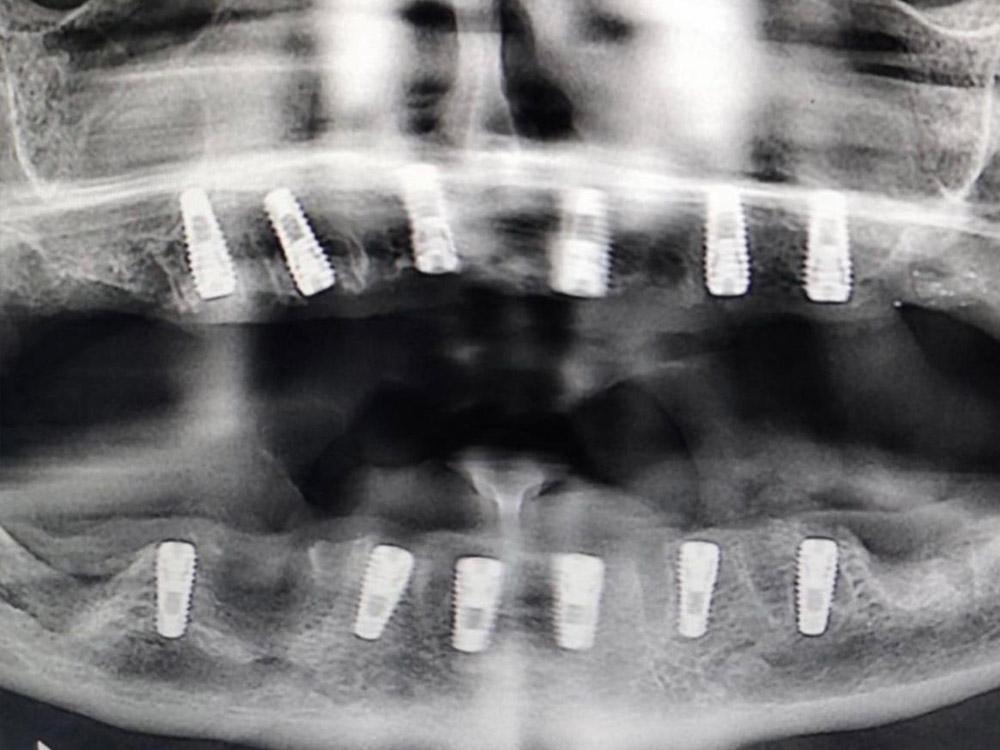
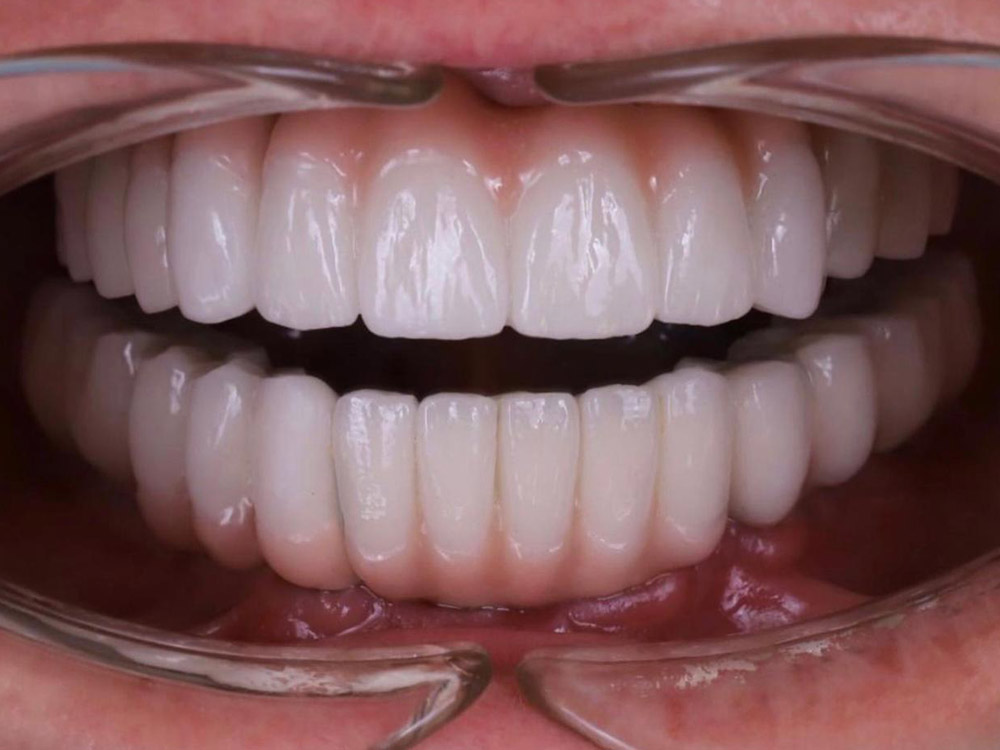
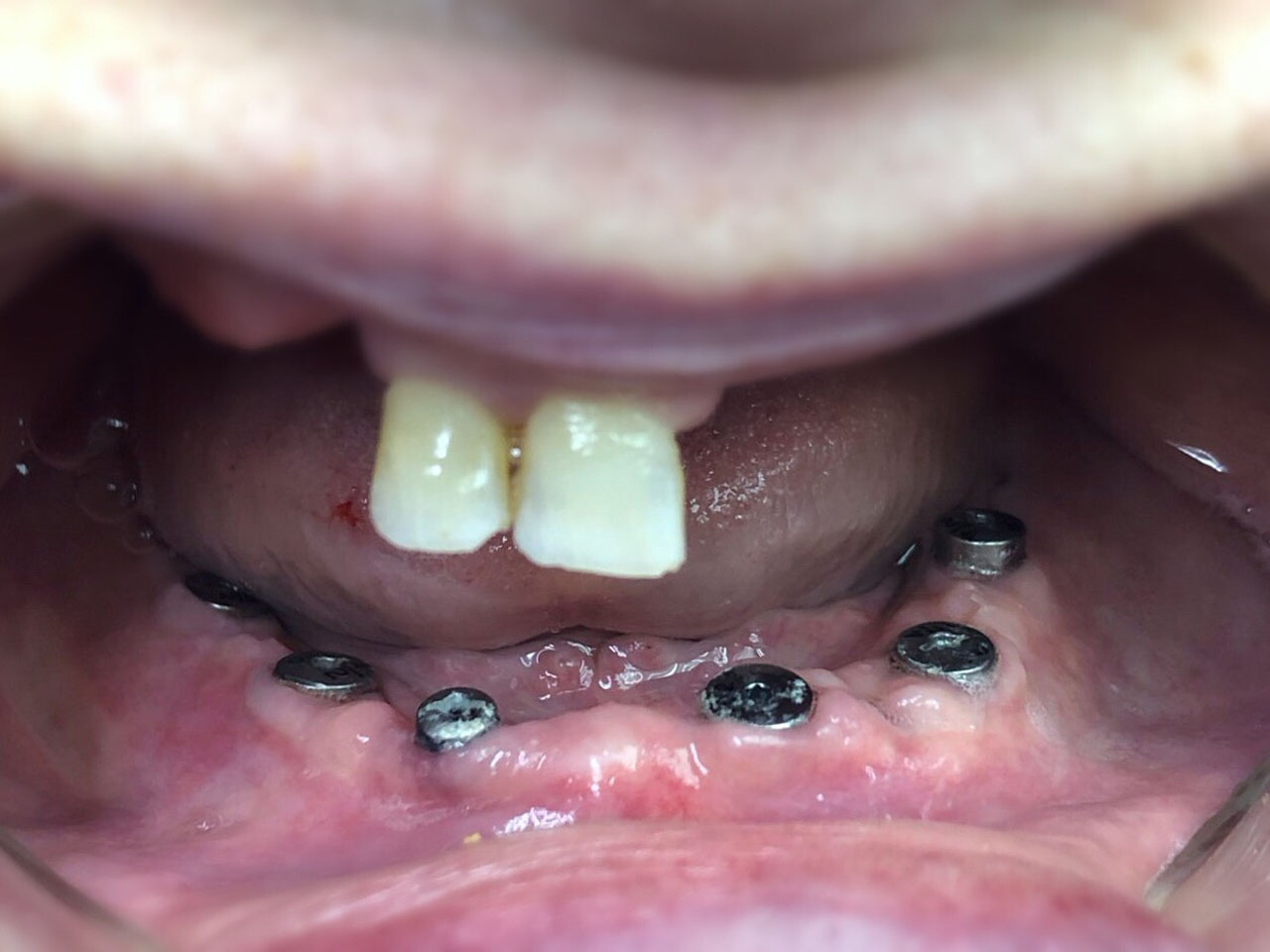
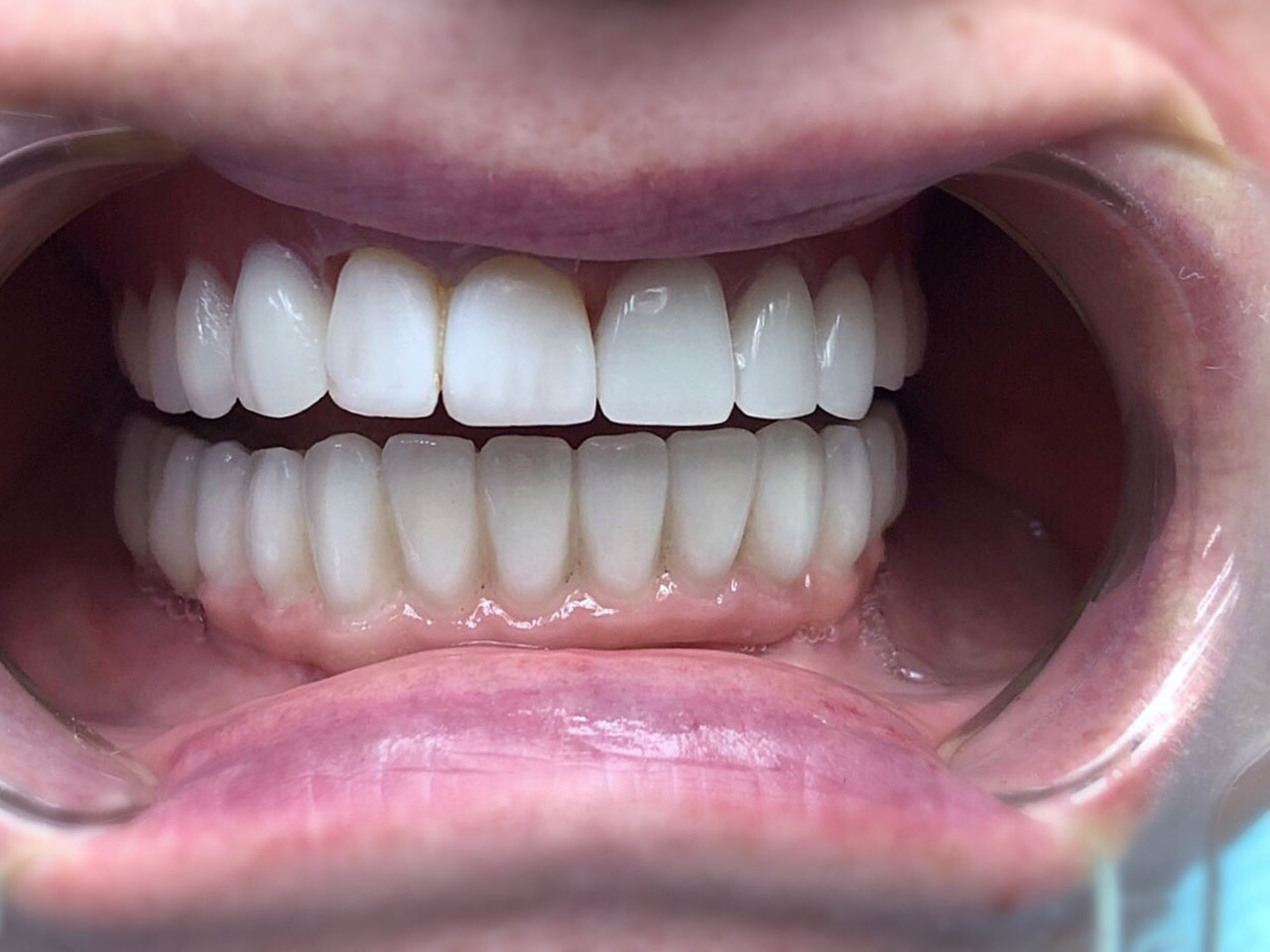
The following are considered non-removable dental prosthetics:
• Single crowns
• Bridge structures
• Implant-supported crowns
• Microprosthetics (inlays, veneers)
Inlays and Veneers
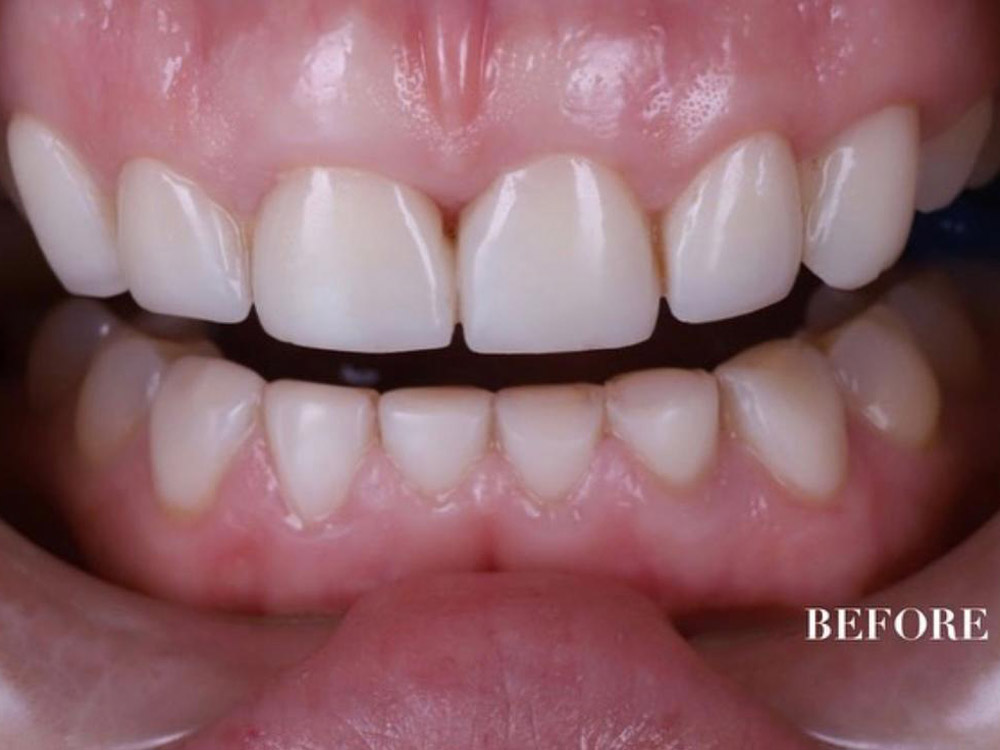
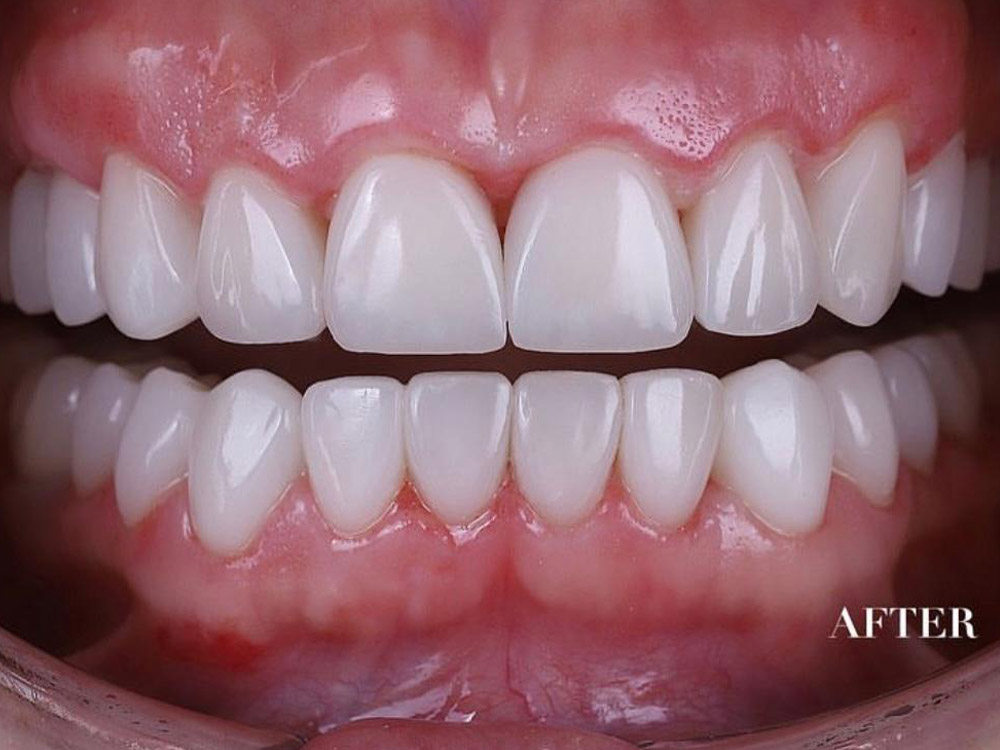
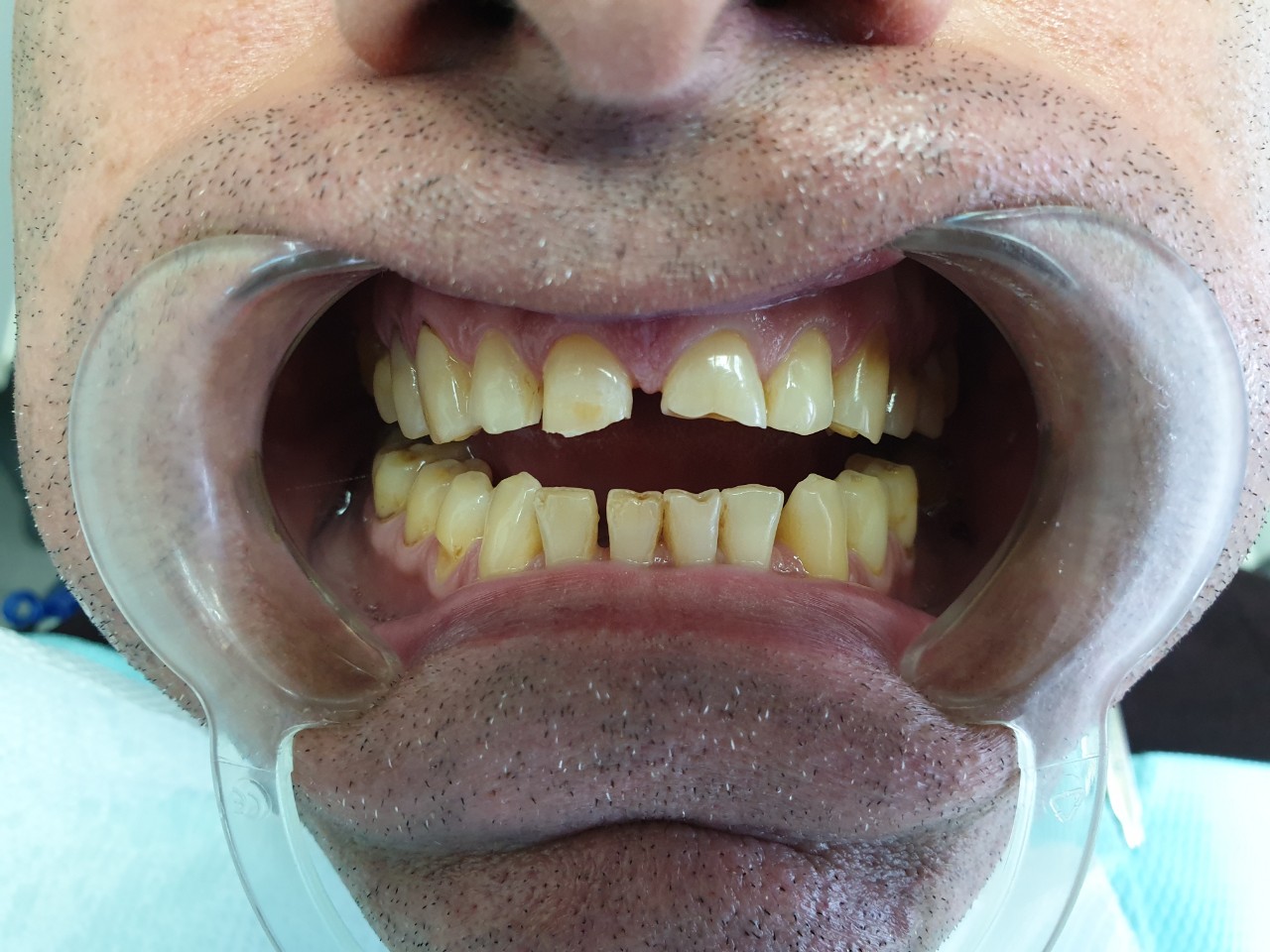
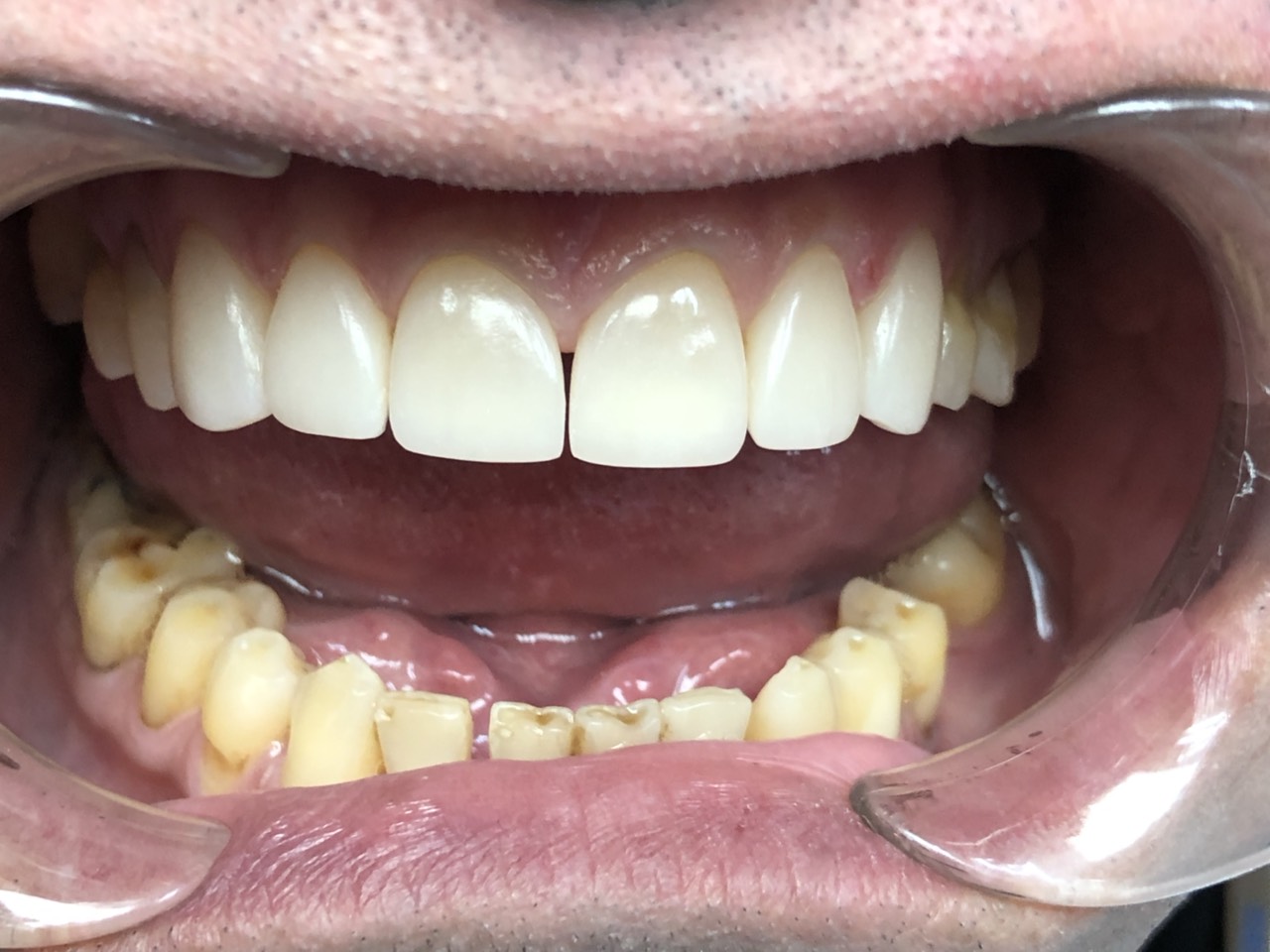
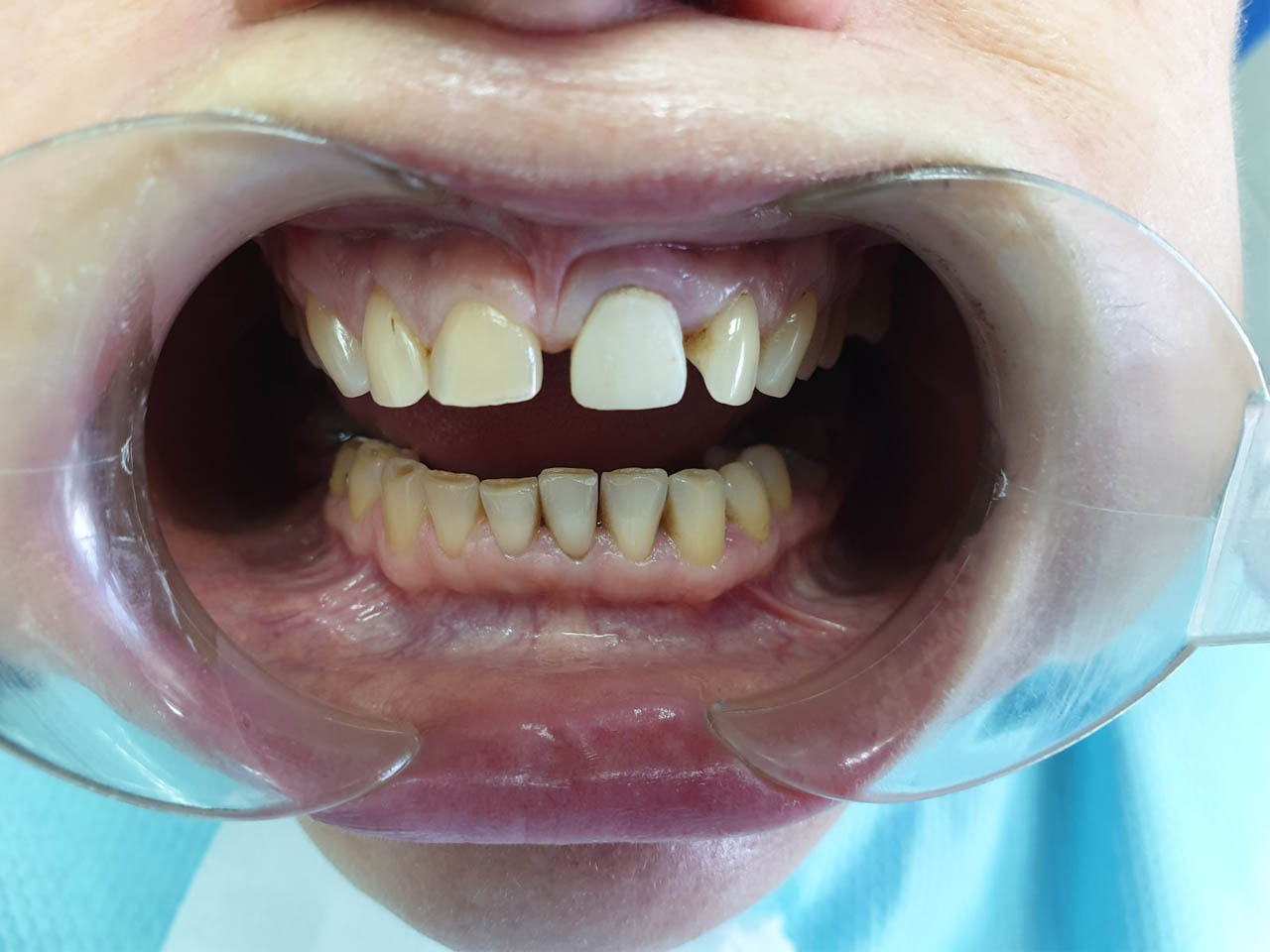
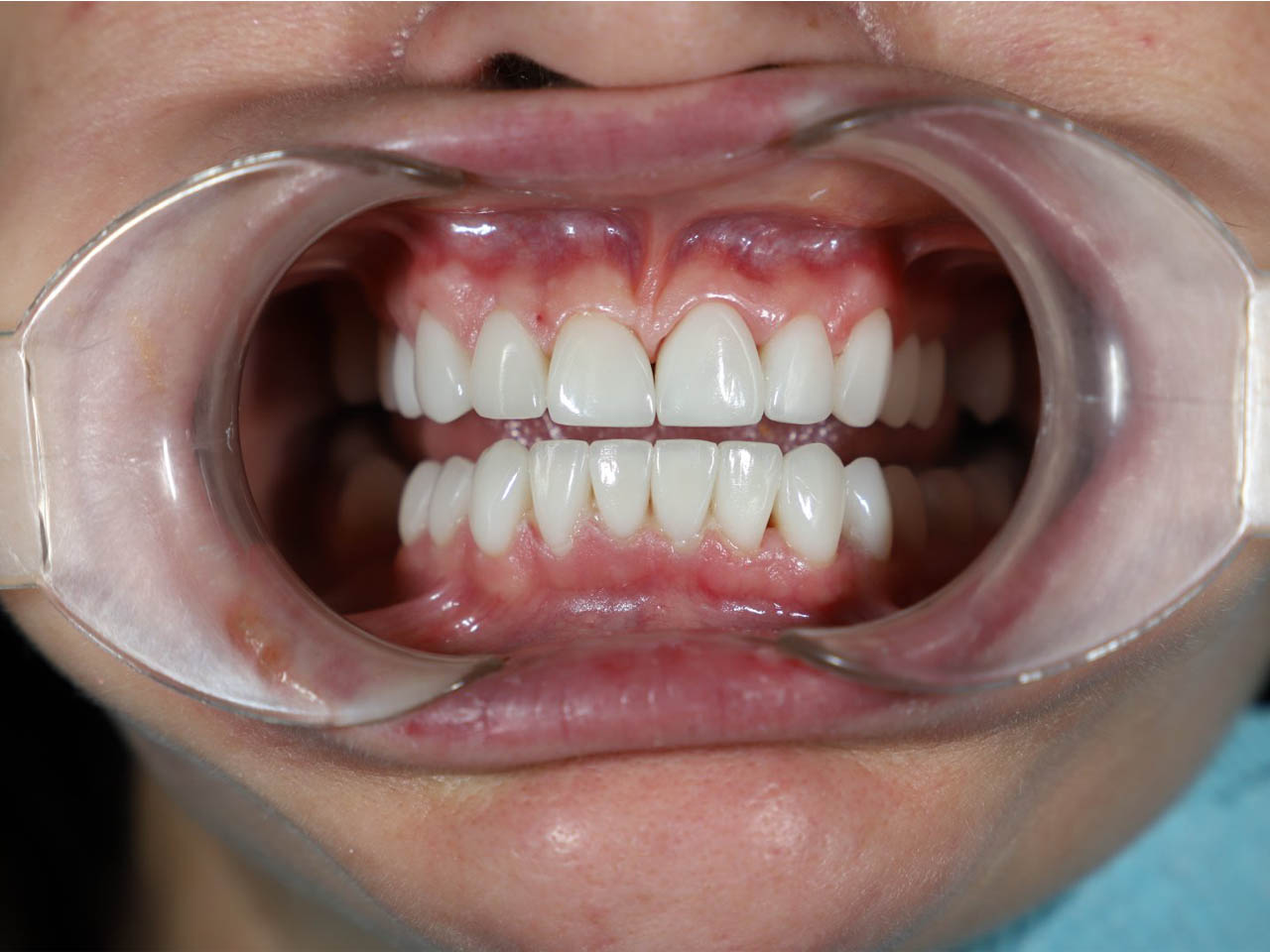
Veneers are used to change the shape, color, or position of a tooth to achieve the so-called "Hollywood smile." A veneer is a thin (usually ceramic) plate that is securely fixed to the surface of a tooth.
An inlay restores the anatomical shape of a damaged tooth crown. In terms of performance, microprosthetics are a better alternative to fillings.
For more extensive damage, crowns are used (metal-ceramic crowns or metal-free crowns).
Removable prosthetics
Typically used when there is a significant defect in the dental arch (loss of a large number of teeth).