
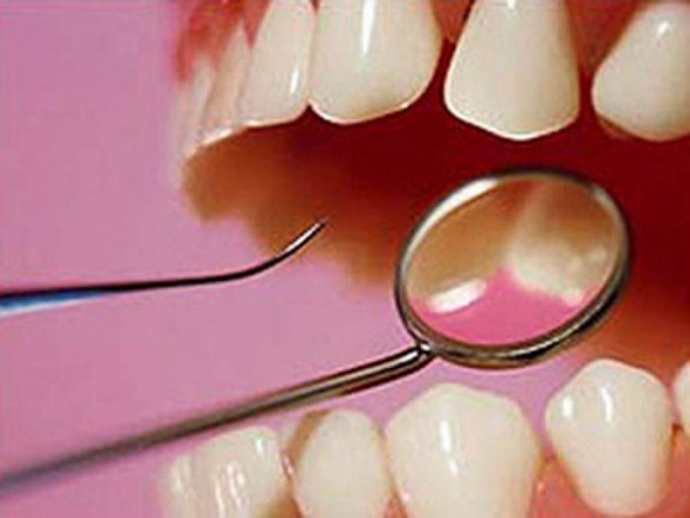
 Aesthetic tooth restoration is a set of procedures aimed at improving the appearance of teeth and the smile as a whole. These procedures can address both congenital irregularities in the appearance and position of teeth, as well as the consequences of life circumstances (trauma, age-related wear, persistent discoloration, etc.).
To restore teeth therapeutically, the doctor uses only modern light-curing composite materials with a chameleon effect, which do not glow under UV light and are easily polished. Another feature of tooth restoration is that the doctor uses a special layering technique during the restoration, thus mimicking the natural structure of the tooth.
Using aesthetic tooth restoration, the doctor can: Adjust the shape of a tooth or the entire dental arch (e.g., lengthen or shorten, narrow or widen a tooth, change its thickness, etc.); Correct the position of a tooth in the dental row (e.g., bring a tilted-back tooth forward or align a protruding tooth with the rest); Change the tooth color, making it indistinguishable from neighboring teeth or lightening several teeth; Close gaps between teeth.
The dentist’s arsenal includes several types of materials for performing aesthetic restorations—so-called veneers. These differ in durability and the ability to recreate the natural shades of teeth. A wide range of materials allows almost anyone to undergo aesthetic tooth restoration, regardless of financial status.
There are two types of aesthetic tooth restoration:
Direct (performed directly in the mouth) – the doctor sculpts the defective parts of the teeth using light-curing composite material right inside the patient's mouth. Features of direct restoration: It is done in a single visit. That is, the patient comes to the clinic, spends some time in the dental chair, and leaves with a new smile.
Indirect – in this case, the patient's teeth are specially prepared and an impression is taken. The restorative part is then fabricated in a dental laboratory.
Tooth restoration has no absolute contraindications. Treatment may be postponed in case of acute general illnesses (such as colds, flu, or herpes outbreaks on the mucous membrane or skin), or if additional diagnostic methods and specialist consultations are required. Treatment may be denied if oral hygiene is poor.