
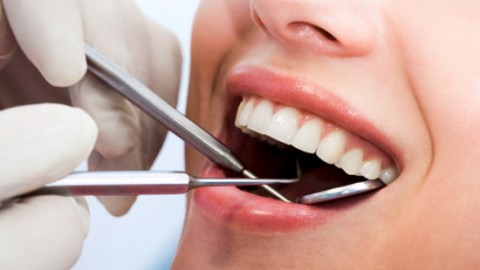
 Treating cavities with fillings is one of the most common dental services, as the condition being treated — dental caries — is the most widespread tooth disease. Poor oral hygiene and an unhealthy diet contribute to the development of caries. Apart from remineralization, which is only effective in the early stages of caries, placing a filling is the only method of treatment. Local anesthesia makes the procedure completely painless. The filling procedure always follows the same steps: anesthesia, tooth cleaning, placing a therapeutic liner, filling placement, polishing, and applying a protective varnish. The final durability and aesthetics of the filling largely depend on the material used.
Fillings: which type is best to choose?
Various materials can be used for fillings: metal, plastic, ceramic, glass ionomers, light-cured composites, or cement. Each material has its own advantages and disadvantages.
Metal Fillings
are usually made from an alloy of different metals with mercury (amalgams) and are generally used for molars. The main drawbacks of metal fillings include the presence of toxic mercury, poor aesthetics (eventually the filling darkens), and expansion over time. The main advantage is their affordability.
Cement Fillings
– another inexpensive method for treating cavities. There are three types of cement fillings: silicate, phosphate, and glass ionomer. Silicate fillings can vary in shade and release fluoride ions, which help prevent recurrent caries. However, the material is toxic. Phosphate cement is not durable, much like glass ionomer, which at least contains fluoride as a benefit.
Light-Cured Composites
are a mix of polymer and filler. The filling hardens when exposed to a special blue light. Light-cured composite fillings are durable and aesthetic, but have a downside — the possibility of incomplete curing. In addition, shrinkage may occur over time.
Ceramic Fillings (Veneers)
– a great alternative to all of the above, especially when the cavity is not small but affects a significant portion of the tooth. Ceramic fillings do not shrink, are highly durable, aesthetically pleasing, and bioinert (i.e., non-toxic). The only drawback is their cost.