
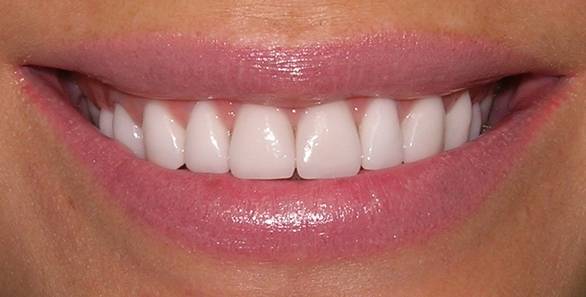
 Chipped teeth, stains from old fillings or medications, and enamel discoloration can cause significant discomfort and negatively impact self-confidence.
However, modern advancements in aesthetic dentistry make it fully possible to restore the natural beauty of your smile using effective techniques, one of which is veneer restoration. This method involves applying custom-made inserts made of composite material or ceramic onto the tooth surface, allowing you to change the shape and color of your teeth with minimal damage.
Veneer restoration has gained popularity due to its highly effective results, which can be achieved in a relatively short time. Cosmetic inserts are nearly indistinguishable from natural teeth and can dramatically improve your appearance. There are several techniques for applying veneers, each chosen based on the patient’s preferences, needs, and financial capabilities.
Indications and Contraindications for Veneers
Direct veneers can be applied during a dental visit after selecting the desired shape and color. Indirect veneers are fabricated in a dental laboratory based on an impression of your teeth. The second method is more expensive and time-consuming, as it involves several specialists. Additionally, the indirect technique is more labor-intensive and requires more material to produce the inserts.
Veneer restoration may be recommended depending on the specific clinical case. However, there are several contraindications that make this method unsuitable, such as gum diseases or situations where a veneer cannot be fixed due to severe tooth damage or the absence of most of the tooth structure. At the same time, this restoration method can help solve many issues related to irregular shapes, congenital defects, or disproportionality of the teeth.
The main indications for veneers include:
- - Fluorosis;
- - Tetracycline-stained teeth;
- - Various degrees of enamel erosion;
- - Wedge-shaped defects and misalignment of incisors and canines;
- - Diastema and tremas (large gaps between teeth);
- - Twisted upper incisors;
- - Various tooth shape anomalies;
- - Tooth rotation along its axis;
- - Carious cavities;
- - Pathological wear of upper tissues;
- - Enamel demineralization, etc.