
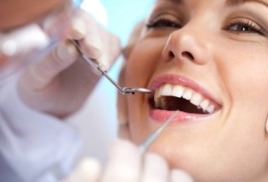
 Veneers are composite plates that replace the outer surface of the tooth. They allow for complete correction of partial shape or color defects. Veneers are manufactured based on smile aesthetics, the color of adjacent teeth, and the patient’s preferences.
Indications for veneer placement:
- - Age-related tooth discoloration;
- - Changes in tooth shape due to trauma or wear;
- - Tooth enamel pigmentation that does not respond to whitening (fluorosis, pigmented enamel cracks, tetracycline staining);
- - Underdeveloped (peg-shaped) teeth or enamel development disorders;
- - Presence of gaps (tremas and diastemas), mismatch between tooth size and bite;
- - Minor tooth rotations;
- - Uneven cervical contours, gummy smile;
- - Presence of many defective, darkened fillings;
- - Changing the group identity of a tooth (e.g., turning a canine into a lateral incisor using a veneer).
The veneer is made from light-cured composite material in a single visit by a restorative dentist. The technique of direct composite veneers involves slight enamel reduction (about 0.5 mm) on the front surface of the tooth and layer-by-layer application of composite material. Direct restoration rules require the use of a rubber dam — a latex sheet that isolates the work area from the oral cavity.
Advantages of composite veneers
over ceramic ones are mainly in the price (on average, composite veneers cost about half as much as ceramic ones) and the speed of treatment. The quality and artistic level depend entirely on the dentist, their experience, and their skills as a restorer.
Disadvantages of composite veneers
are more numerous: increased wear, the need for regular polishing due to loss of shine, brittleness, swelling of the composite in the moist environment of the oral cavity, leading to hygiene difficulties, gingivitis, gum bleeding, edge leakage, and discoloration of veneer margins over time. These issues lead to aesthetic deterioration and the need for replacement. The lifespan of composite veneers depends on the patient’s oral hygiene and the functional load. It’s also important to know that composite materials degrade when exposed to alcohol-containing substances.
Relative contraindications for cosmetic restorations:
- - Poor oral hygiene
- - Periodontal tissue disease
- - Malocclusion
- - Bruxism (jaw clenching)
- - Excessive wear
- - Harmful habits (biting seeds, thread, fishing lines, etc.)
- - Occupational risks (playing wind instruments, "aggressive" professions, boxing)